The Lasting Appeal of Nordic Interior Design: A Timeless Approach to Modern Living
Nordic interior design has become one of the most admired styles in the world because it offers something many people deeply want in their homes: calm, comfort, and clarity. In a time when daily life can feel crowded with noise, clutter, and constant distraction, this design approach creates a space that feels breathable and balanced. It is not only about appearance; it is about how a room makes people feel. A well-designed Nordic-inspired space often feels peaceful without being empty, elegant without being excessive, and functional without becoming cold. That balance is exactly why this style continues to inspire homeowners, decorators, architects, and anyone looking for a more thoughtful way to live.
What makes Nordic interior design so effective is its ability to combine beauty and practicality with very little effort. The style is known for clean lines, natural textures, soft colors, and a strong connection to light. Rather than filling a room with unnecessary decoration, it focuses on the quality of each element. A wooden table, a linen sofa, a well-placed lamp, or a neutral rug can all contribute to the overall mood. This is why the style is often described as simple, but that simplicity is never random. It is intentional and refined, shaped by a deep respect for everyday living.
The popularity of this aesthetic also comes from the fact that it works in many different settings. A small apartment can benefit from the openness of a Scandinavian-inspired layout, while a larger home can use the same principles to create harmony and flow. The style adapts easily to modern needs, which is one reason searches for Nordic home decor, Scandinavian-inspired interiors, and minimalist living spaces continue to grow. People are not just looking for trends; they are looking for an environment that supports their well-being. 
Why Nordic Interior Design Remains So Relevant
One of the strongest reasons for the enduring success of this design movement is its relationship with function. Every object in the room is expected to earn its place. This does not mean a room must be bare or sterile. Instead, it means that each piece should serve a purpose while also contributing to the overall visual harmony. In a Nordic-style home, a chair is chosen not only for how it looks but also for how it feels to sit in. Storage furniture is expected to be discreet, practical, and visually light. Lighting is used to soften the atmosphere rather than overpower it. The result is a home that feels calm because it is organized around real life.
Another defining feature is the use of natural materials. Wood, wool, leather, stone, cotton, glass, and ceramics often appear in Nordic interior spaces because they add warmth and texture without disrupting the clean aesthetic. These materials create a sense of authenticity that artificial finishes usually cannot match. A room with pale oak flooring, a wool throw, and a ceramic vase feels more grounded than one filled with glossy synthetic surfaces. The tactile quality of natural materials also makes the space more inviting. People tend to respond to environments that feel honest, and that emotional connection plays a major role in the appeal of this style.
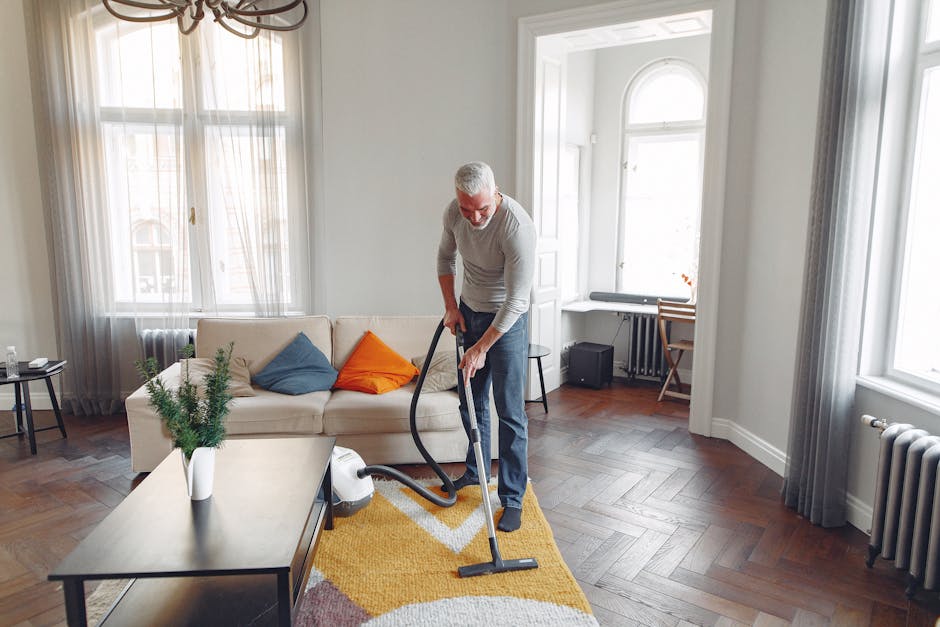
Light is equally important. In countries where winter days can be short and daylight limited, the treatment of natural and artificial light becomes a central design concern. This practical need helped shape the characteristic bright, airy atmosphere associated with Nordic interiors. Large windows are often left unobstructed, walls are kept in light tones, and mirrors may be used carefully to reflect brightness. Lamps are selected for their soft glow and sculptural quality. Scandinavian interior design uses light not just as illumination but as an architectural feature that helps define the mood of the home.
Color Palettes That Define a Nordic-Inspired Home
The color palette in Nordic design is often understated, but understatement should not be mistaken for lack of depth. White is common because it amplifies light and gives rooms a crisp foundation, yet it is rarely used alone. Soft gray, warm beige, muted taupe, dusty blue, sage green, and charcoal accents can all appear in carefully balanced combinations. These colors create a layered effect that keeps the space from feeling flat. The goal is not to overwhelm the eye, but to encourage a sense of visual rest.
In many Nordic-inspired interiors, contrast is introduced through subtle changes in tone rather than dramatic color blocks. For example, a pale wall may be paired with a slightly deeper-toned sofa, while dark metal lamp bases or black picture frames provide structure. This restrained contrast brings sophistication while maintaining the calm atmosphere that defines the style. It is a deliberate way of building interest without creating tension. People often find this especially appealing because it feels modern yet timeless.
Color in this style is also deeply connected to seasonality and mood. During darker months, warmer neutrals and richer textures help maintain comfort. In brighter seasons, the same home may feel refreshed simply through the introduction of lighter fabrics or fresh greenery. This flexibility is one of the reasons Nordic style living works so well over time. A good design system should be able to evolve naturally with the rhythms of daily life, and this one does exactly that. 
Materials, Texture, and the Art of Quiet Warmth
Texture plays a major role in preventing a minimalist room from feeling cold or unfinished. In Nordic design, texture is often used as a silent form of decoration. A woven blanket draped over a sofa, a sheepskin placed on a chair, or a ribbed ceramic bowl on a shelf can all add depth to the room without cluttering it. These details matter because they provide sensory richness. A room should not only be seen; it should be experienced.
Bold visual statements are generally avoided in favor of subtle craftsmanship. A hand-finished table with visible grain, a linen curtain with a soft drape, or a matte painted wall with a gentle finish can all create character. The beauty of the Nordic approach lies in its appreciation for small things done well. Quality is valued over quantity, and this principle influences every part of the room. Even the simplest object can feel elevated when the materials are chosen with care.
Furniture forms are usually clean and unembellished, but they are rarely stiff. Curves, rounded edges, tapered legs, and low profiles often soften the overall look. This balance between structure and ease gives the style its recognizable charm. It is disciplined, but not rigid. Comfortable, but not sloppy. Minimalist Scandinavian decor often succeeds because it respects both the eye and the body, offering spaces that feel visually calm and physically usable.
How Nordic Interior Design Supports Daily Life
The practical benefits of this style extend far beyond appearance. A thoughtfully arranged Nordic-inspired room can improve how a person moves, rests, works, and interacts with the home. Open layouts encourage easier circulation, while uncluttered surfaces reduce visual stress. Storage solutions are usually discreet, helping everyday items remain accessible without becoming part of the scenery. When a home functions smoothly, it becomes easier to relax in it, and that is one of the most meaningful outcomes of good design.
Another important idea is the relationship between design and atmosphere. Many people think of decor as a layer added after the important decisions are made, but in this style the atmosphere is built into the structure of the room itself. A well-proportioned table, a soft light source, a balanced shelf arrangement, and a few meaningful decorative items can completely transform how a room feels. This is especially true in homes where people spend more time indoors and need environments that support concentration, rest, and connection. Nordic living room ideas often succeed because they are rooted in this exact philosophy.
There is also a strong emotional dimension to this aesthetic. A home shaped by Nordic principles often feels less demanding than one filled with constant visual stimulation. It gives the mind room to breathe. That does not mean it lacks character; rather, its character emerges gradually through use, texture, proportion, and light. The effect is subtle but powerful. Over time, many people discover that they enjoy living in a place that does not ask for attention every second. Instead, it quietly supports their routines and restores their sense of balance.
Furniture Choices That Strengthen the Look
Furniture is one of the most visible expressions of the style, and it often reflects the same values of clarity, function, and warmth. Sofas tend to have low or medium profiles, slim legs, and durable upholstery in neutral colors. Tables are often made of wood with simple shapes that feel both practical and elegant. Chairs may combine bentwood, fabric, or leather in ways that emphasize comfort without visual heaviness. The overall impression is one of ease rather than excess.
Storage furniture deserves special attention because it helps maintain the clean visual rhythm associated with Nordic interiors. Cabinets, sideboards, shelves, and built-ins are usually designed to blend into the room rather than dominate it. This approach allows the home to remain organized without seeming overly engineered. A clutter-free environment does not happen by accident; it is the result of furniture that supports everyday habits. For many households, this is what makes the style so sustainable. It is not dependent on constant perfect styling. It simply encourages order in a natural way.
Decorative pieces are often chosen with restraint, yet they are never meaningless. A single artwork, a stack of books, a hand-thrown vase, or a carefully selected candle can provide the finishing layer that gives the room individuality. The key is to avoid overfilling the space. In a Nordic setting, every item has the potential to become visually important, so selection matters. This is where Nordic home styling becomes an exercise in editing, patience, and taste.
Bringing Nature Indoors
Nature is one of the most essential influences on this design language. Plants, branches, dried flowers, stone accessories, and wood tones all help connect the interior with the natural world. This connection is not just decorative. It creates a sense of continuity between the inside and outside environment. A room that includes organic forms often feels more alive, softer, and more human. Even very simple natural elements can make a significant difference in how welcoming a room appears.
In many Scandinavian-style homes, the inclusion of nature is handled with restraint. A few well-placed plants can do more than a crowded arrangement of greenery. Branches in a glass vase, a bowl of seasonal fruit, or a raw wood stool can all add texture and authenticity without distracting from the architecture of the room. This selective use of natural detail is part of what makes the look enduring. It is not dependent on trends, and it never feels forced.
Natural light and natural materials work together to produce the full effect. When sunlight touches a pale floor, a woven textile, or a wooden surface, it reveals texture in a way that artificial finishes often cannot. That sensitivity to the physical qualities of the home is one of the reasons this style is so admired by design enthusiasts. It reminds people that beauty often comes from observing what already exists and refining it with care. 
The Role of Simplicity in a Modern Home
Simplicity is often misunderstood as a lack of imagination, but in reality it requires discipline, attention, and a strong sense of proportion. In Nordic design, simplicity is a method for protecting the room from visual overload. It allows the architecture, the materials, and the light to become more visible. This creates a more thoughtful experience of space. Rather than competing for attention, the elements work together.
Modern homes are often filled with multifunctional needs, and this style responds well to that reality. A dining table may serve as a workspace, a sofa may anchor both social and quiet moments, and storage may need to blend seamlessly into the room. The clean structure of Nordic interior design makes these transitions feel natural. It supports flexible living without sacrificing elegance. This is particularly valuable in contemporary homes where space is often limited and every decision matters.
The discipline of simplicity also leaves room for personality. Because the background is calm, a few personal choices stand out more clearly. Art, books, heirlooms, handmade items, or travel souvenirs can all become meaningful focal points when placed thoughtfully. This is one of the finest qualities of the style: it creates enough order to allow individuality to shine. The room becomes both serene and personal, which is a difficult balance to achieve in any design language.
Why the Style Appeals to Different Generations
One reason this aesthetic has remained relevant across generations is that it speaks to universal needs. Younger homeowners often appreciate its clean appearance, flexibility, and modern feel. Older homeowners may value its functionality, comfort, and ability to create a serene atmosphere. Families often enjoy the practicality of its storage-friendly layouts and durable materials. Because it is not defined by a narrow trend cycle, it can be adapted to many life stages and housing types.
Another reason for its wide appeal is that it offers a sense of stability. Trends come and go, but a room based on proportion, light, and quality materials tends to age more gracefully. A well-made chair or a neutral wall treatment rarely looks outdated in the same way a highly trend-driven design can. This longevity makes the style appealing to people who want their homes to feel relevant now and still make sense years later. It is a smart design choice as much as an aesthetic one.
It also resonates emotionally because it suggests a slower, more intentional way of living. In an era where many people feel overwhelmed by consumption and digital noise, a room that promotes calm can feel restorative. Nordic interior design answers that desire with remarkable clarity. It does not promise perfection; it offers balance. And in many homes, balance is exactly what people need most.
Creating a Space That Feels Both Stylish and Livable
The strongest interiors are usually those that feel authentic rather than staged. Nordic design excels in this area because it values livability as highly as visual appeal. A room should be able to handle daily routines, changing seasons, family activity, quiet evenings, and occasional gatherings without losing its sense of identity. This flexibility is built into the style from the start. Good design should improve life, not complicate it.
At its best, the aesthetic is not about copying a particular look from a photograph. It is about understanding principles that can be adapted to different homes and personalities. Light, proportion, materiality, restraint, and function are the core ideas. Once those are in place, the room can reflect the people who live there. That is what makes the style so enduring. It provides structure without limiting expression, which is a rare and valuable quality in interior design.
Nordic interior design continues to stand out because it offers a clear answer to a very modern question: how can a home feel beautiful, calm, and useful at the same time? The answer lies in thoughtful editing, natural materials, soft color, and a respect for light. When these elements come together, they create spaces that feel quietly uplifting. That quietness is not emptiness. It is refinement, and it remains one of the most compelling reasons people are drawn to this style year after year.