Insurance and Safety
 Our insurance and safety approach is designed to protect people, property, and operations through a clear, proactive framework. Whether work takes place on-site, at height, around machinery, or in busy public environments, we prioritise public liability insurance, robust risk assessment, ongoing staff training, and the correct use of PPE. This commitment supports safe delivery, reduces avoidable disruption, and helps maintain confidence in every activity we undertake.
We understand that safety is not a single action but a continuous process. Our insurance and safety policy is built to identify hazards early, assess the likelihood and impact of incidents, and apply effective controls before work begins. By combining clear procedures with consistent supervision, we aim to create a culture where safety awareness is part of everyday decision-making rather than an afterthought.
One of the foundations of our protection strategy is public liability insurance. This coverage helps safeguard against claims arising from accidental injury to third parties or damage to property during our operations. It provides an important layer of reassurance for clients, members of the public, and all stakeholders involved in the work. Our insurance arrangements are reviewed regularly to ensure they remain appropriate for the scope and nature of our activities.
 We also place significant emphasis on staff training, because well-trained people are essential to safe outcomes. Training covers workplace hazards, task-specific procedures, emergency response, manual handling, incident reporting, and correct equipment use. Refresher sessions are arranged to keep knowledge current and to reinforce best practice. New employees are introduced to our safety expectations from the outset, ensuring that every team member understands both their responsibilities and the standards we expect.
Training is supported by regular supervision and practical checks. Team leaders monitor work methods, confirm that equipment is used correctly, and intervene when unsafe practices are observed. This is especially important when tasks change, conditions vary, or new risks emerge. By combining instruction with active oversight, our insurance and safety management process helps reduce human error and strengthens day-to-day accountability.
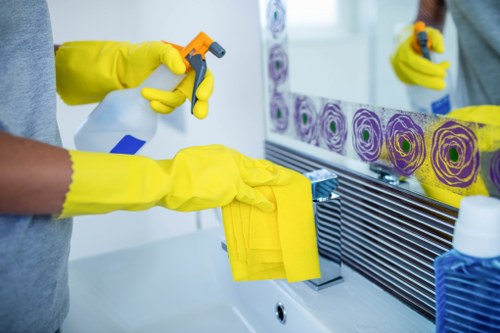 Personal protective equipment, or PPE, plays a central role in our safety controls. Depending on the task, this may include hard hats, gloves, high-visibility clothing, eye protection, safety footwear, hearing protection, or respiratory protection. PPE is selected based on the specific hazards identified in the risk assessment and is maintained in good condition. We ensure that staff know how to wear, inspect, store, and replace PPE properly so that it remains effective when needed most.
Risk Assessment Process
Our risk assessment process begins before work starts and continues throughout the job. We identify potential hazards, consider who may be affected, evaluate the severity and likelihood of harm, and decide on suitable control measures. This may include isolating hazards, changing work methods, improving access, using protective barriers, or assigning additional supervision. Once controls are agreed, they are communicated clearly to everyone involved.
Detailed assessments are carried out for routine and non-routine tasks alike. We review the environment, the equipment being used, the competence of the team, and any weather or site-specific conditions that could affect safety. Where necessary, the plan is updated in response to new information. This flexible approach ensures our insurance and safety standards remain effective even when circumstances change unexpectedly.
Documentation is an important part of our process. Risk assessments, method statements, training records, and inspection logs are maintained to demonstrate compliance and support continuous improvement. We use this information to identify trends, reinforce safe behaviour, and improve planning for future work. In this way, safety becomes measurable, reviewable, and consistently embedded in our operations.
 We also recognise that communication is essential to effective safety management. Before work begins, relevant information is shared with the team so that everyone understands the hazards, control measures, and any site rules that apply. Clear briefings help reduce confusion and encourage prompt reporting of concerns. If an issue arises, it is addressed quickly to prevent escalation and maintain a controlled working environment.
Emergency preparedness is another key part of our insurance and safety commitment. Procedures are in place for accidents, injuries, fire, equipment failure, and other unexpected events. Staff are trained to respond calmly and appropriately, including raising alarms, isolating hazards, and seeking assistance when required. By planning ahead, we can act decisively and reduce the impact of incidents if they occur.
 In every area of our work, we aim to combine public liability insurance, effective staff training, suitable PPE, and a structured risk assessment process into one reliable system. This integrated approach supports safe operations, protects those who may be affected by our activities, and reflects a serious commitment to responsible working practices. Safety is built into the way we plan, operate, and review our work every day.