Carpet Cleaning: A Practical, Professional Approach to Cleaner, Healthier Floors
Why Carpet Cleaning Matters for Every Home and Business
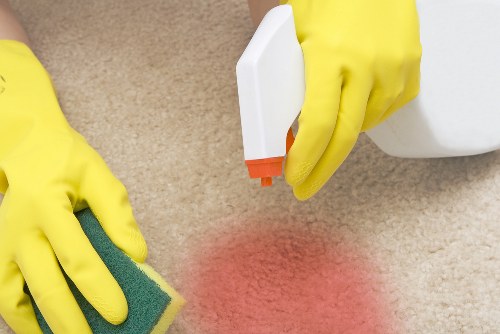
Carpet cleaning is more than a cosmetic task. It helps maintain a cleaner indoor environment, improves the look of your rooms, and supports the long-term condition of your flooring. Whether you manage a busy household, a rental property, or a commercial space, regular carpet cleaning can make a noticeable difference in comfort and appearance.
Dust, pet hair, pollen, tracked-in soil, and everyday spills settle deep into carpet fibers over time. Even when a carpet looks clean on the surface, it may still hold particles that affect air quality and create stubborn odors. That is why professional carpet cleaning and consistent home care are both important parts of routine maintenance.
Clean carpets also influence how a space feels. Fresh flooring can make a living room more inviting, an office more polished, and a bedroom more restful. For many people, carpet cleaning services are one of the simplest ways to refresh an entire property without replacing flooring.
What Makes Carpet Cleaning So Effective
Carpet cleaning works by removing embedded dirt, breaking down grime, and lifting contaminants from the carpet pile. Depending on the method used, the process may involve hot water extraction, low-moisture cleaning, dry compound treatment, or targeted spot treatment. Each method has strengths, and the right choice often depends on carpet type, soil level, and drying preferences.
One major advantage of carpet cleaning is that it reaches deep into the fibers where vacuuming alone cannot go. Regular vacuuming is essential, but it mainly handles surface debris. A deeper carpet cleaning routine can remove oils, allergens, stains, and bacteria that build up over weeks or months.
For homeowners and business owners alike, carpet care should be viewed as preventive maintenance. Routine carpet cleaning can help reduce wear, preserve texture, and prevent permanent discoloration. In many cases, it may also extend the useful life of the carpet, which can delay expensive replacement.
Common Reasons People Schedule Carpet Cleaning
- Removing spills and food stains
- Controlling pet odors and pet dander
- Reducing dust and allergen buildup
- Refreshing high-traffic areas
- Preparing a property for guests, tenants, or customers
Understanding Different Carpet Cleaning Methods
There is no single method that works best for every carpet. Instead, carpet cleaning professionals evaluate the material, condition, and level of soiling before choosing a suitable approach. Understanding the most common methods can help you make a better decision for your space.
Hot water extraction, often called steam cleaning, is one of the most widely used carpet cleaning methods. It uses heated water and cleaning solution to loosen dirt, followed by powerful suction to remove moisture and debris. This method is known for deep cleaning and is popular in homes with heavy foot traffic.
Dry carpet cleaning uses specialized compounds or low-moisture solutions to clean fibers with minimal drying time. This option can be useful when quick re-entry is important, such as in offices, retail stores, or rooms that cannot stay out of use for long.
Other Common Techniques
- Bonnet cleaning: Often used for surface-level maintenance in commercial settings
- Encapsulation: Uses polymer cleaning agents that trap dirt for removal after drying
- Shampoo cleaning: Traditional approach that can help with visible soil, though it may leave residue if not done properly
Choosing the right carpet cleaning method matters because using the wrong approach can leave excess moisture, residue, or incomplete stain removal. A skilled technician will evaluate fiber type, pile height, and any manufacturer recommendations before starting work.
How Often Should Carpet Cleaning Be Done?
The ideal carpet cleaning schedule depends on lifestyle, traffic, and environmental factors. In general, most households benefit from professional carpet cleaning every 6 to 12 months. Homes with pets, children, or allergy concerns may need service more often. Commercial spaces often require more frequent care due to heavier foot traffic and broader exposure to dirt.
Vacuuming should happen much more often than deep carpet cleaning. Weekly vacuuming is a good minimum for many homes, while high-traffic areas may need attention two or three times a week. This daily and weekly maintenance helps reduce grit that can wear down carpet fibers.
Spots and spills should be addressed immediately. The faster you act, the better the chance of preventing permanent staining. Quick response, combined with routine carpet cleaning, protects both appearance and hygiene.
Signs Your Carpet Needs Attention
- Persistent odors even after vacuuming
- Visible dirt lines in walkways
- Flattened or dull-looking fibers
- Allergy symptoms may worsen indoors
- Stains that keep reappearing after cleaning
Carpet Cleaning and Indoor Air Quality
Indoor air quality is an important reason many people invest in carpet cleaning. Carpet acts like a filter, trapping dust, pollen, and fine particles that circulate through a home or workplace. When the carpet becomes overloaded, those particles can be released back into the air through activity and foot traffic.
Regular carpet cleaning helps reduce that buildup. While it is not a replacement for proper ventilation and air filtration, it can support a healthier indoor setting. This is especially valuable in spaces where people spend long hours, such as bedrooms, family rooms, waiting areas, and offices.
For households with pets or allergy sensitivities, deep carpet cleaning can be particularly helpful. Pet hair, dander, and tracked-in debris often settle beneath the surface and are not easily removed with a standard vacuum. A proper cleaning routine can make the room feel fresher and more comfortable.
Benefits for Health-Conscious Spaces
- Helps remove trapped allergens
- Reduces unpleasant odors
- Supports a cleaner overall environment
- Improves the freshness of rooms with limited airflow
Stain Removal: What Works and What Doesn’t
One of the biggest reasons people seek carpet cleaning is stain removal. However, not all stains behave the same way. Coffee, wine, grease, ink, mud, and pet accidents each require a different response. Some stains sit on the fiber surface, while others penetrate deep into the backing and padding.
A common mistake is rubbing a stain aggressively. This can spread the spill, damage the fibers, or push the stain deeper. Instead, blotting is usually the safer first step. Professional carpet cleaning services often use targeted solutions that are selected for the specific stain type and carpet fiber.
It is also important to know that some stains may fade rather than disappear completely, especially if they were left untreated for a long time. That is why fast action is important. The sooner carpet cleaning begins after a spill, the better the outcome is likely to be.
Helpful Stain-Response Tips
- Blot immediately with a clean cloth
- Avoid excessive water on delicate carpets
- Do not mix cleaning chemicals
- Test any product in a hidden area first
Residential Carpet Cleaning: A Fresh Look for the Whole Home
Residential carpet cleaning can transform the feel of a home. Living rooms, hallways, stairs, and bedrooms collect a surprising amount of dirt over time. Even in tidy homes, everyday life leaves behind dust, oils, crumbs, and pet-related messes that settle deep into the fibers.
Families often notice the biggest difference in high-traffic areas. Paths from the kitchen to the living room, the route up the stairs, or the area around a sofa can become visibly worn faster than other sections. Regular carpet cleaning helps restore a more even appearance across the room.
There is also a comfort factor. Clean carpet feels softer underfoot and gives a room a more finished appearance. Many homeowners schedule carpet cleaning before holidays, seasonal changes, moving day, or major family events to make the space feel more welcoming.
Where Homeowners Usually Focus
- Entryways and hallways
- Staircases and landings
- Bedrooms and nursery rooms
- Living rooms and family rooms
- Basements and recreation spaces
Commercial Carpet Cleaning for Busy Properties
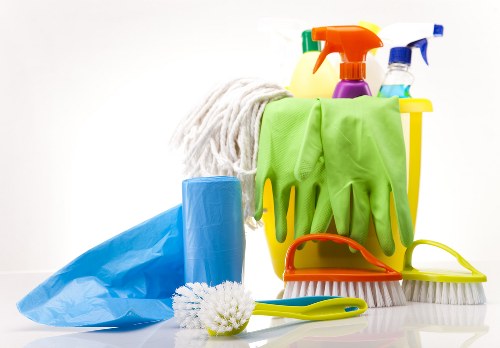
Commercial carpet cleaning is essential in places where appearance and hygiene matter every day. Offices, hotels, clinics, retail stores, and multi-unit properties often deal with constant foot traffic. Dirt builds up faster in these environments, and stains can create a negative impression on visitors, employees, or customers.
For business owners, carpet cleaning is not just about appearance. It can also support workplace cleanliness, reduce odors, and help protect the flooring investment. In many commercial settings, a regular maintenance plan is more cost-effective than waiting until carpets become heavily soiled.
Timing matters in business environments. Many commercial carpet cleaning teams work after hours, on weekends, or in phased schedules to minimize disruption. That flexibility makes it easier to keep floors presentable without interfering with operations.
Industries That Benefit from Regular Carpet Care
- Corporate offices
- Medical and wellness facilities
- Retail and hospitality locations
- Educational buildings
- Property management and rental units
What to Expect Before, During, and After Carpet Cleaning
If you have never scheduled carpet cleaning before, understanding the process can help you prepare. Most services begin with an inspection of the carpet condition. The technician may identify stains, heavy traffic lanes, delicate fibers, or areas that need extra attention.
Before cleaning, loose furniture may be moved, and the carpet is usually vacuumed to remove dry debris. Then a cleaning solution is applied and worked into the fibers. Depending on the method, the process may include agitation, extraction, or low-moisture treatment to lift soil.
After cleaning, drying time varies based on the method used, airflow, and humidity. Good ventilation can help accelerate drying and reduce the risk of musty odors. Once the carpet is fully dry, it often looks brighter, feels softer, and smells fresher.
Typical Steps in a Professional Service
- Inspection and assessment
- Pre-treatment for spots and traffic areas
- Deep carpet cleaning application
- Extraction or soil removal
- Drying and final walkthrough
Choosing the Right Carpet Cleaning Service
Selecting a carpet cleaning provider should involve more than comparing prices. Experience, cleaning method, fiber knowledge, and service reliability all matter. A quality provider will explain how they work, what results to expect, and how they handle difficult stains or delicate materials.
It is also worth asking about equipment and cleaning solutions. Modern extraction tools, low-residue products, and fabric-safe formulations can make a significant difference in final results. If you have children or pets, you may want to ask about safer cleaning options and drying times as well.
A good carpet cleaning company should be able to address different needs, from routine maintenance to emergency spill treatment. They should also be transparent about what is included, how long the process will take, and what preparation is needed before they arrive.
What to Look For
- Clear explanations of methods and pricing
- Experience with residential and commercial carpet cleaning
- Knowledge of stain removal and fiber care
- Proper equipment and well-maintained tools
- Flexible scheduling options
Carpet Maintenance Between Professional Cleanings
Professional carpet cleaning works best when paired with consistent maintenance. Simple habits can slow the buildup of dirt and help keep carpet looking its best between deeper cleanings. These small efforts are especially useful in busy homes and commercial spaces.
Start with regular vacuuming. Use slow, overlapping passes so the machine has time to lift debris from the pile. Entry mats can also reduce the amount of soil that reaches your carpet in the first place. Removing shoes indoors may further limit grit and outdoor contaminants.
Another useful step is prompt spot treatment. Addressing spills quickly can prevent stains from setting and reduce the need for aggressive cleaning later. With the right routine, carpet cleaning becomes less reactive and more preventive.
Simple Maintenance Habits
- Vacuum high-traffic areas often
- Use mats at doors and transitions
- Rotate furniture when possible
- Blot spills immediately
- Schedule deep carpet cleaning regularly
Why Professional Carpet Cleaning Often Delivers Better Results
DIY products can help with small spills, but they usually have limits. Over-the-counter cleaners may leave residue, over-wet the carpet, or fail to reach deeply embedded soil. Professional carpet cleaning typically uses stronger equipment and more refined techniques, which can improve results and reduce the risk of damage.
Professionals also understand how to match the process to the carpet fiber. Wool, nylon, polyester, and blended carpets each react differently to heat, moisture, and chemistry. Using the wrong method can shorten the lifespan of the carpet or alter its texture.
For many property owners, the convenience of expert carpet cleaning is another major advantage. Instead of trying multiple products and methods, you get a focused process designed to restore freshness efficiently. Book your service now if your carpet has become dull, stained, or difficult to maintain on your own.
When to Choose Professional Help
- Stains keep returning after DIY treatment
- The carpet has a strong odor
- Heavy traffic has flattened the fibers
- You need fast and reliable results
- The carpet material requires specialized care
Seasonal Carpet Cleaning: A Smart Year-Round Strategy
Carpet cleaning can be adjusted seasonally to match weather, foot traffic, and household activity. In wetter months, carpets may trap more moisture, mud, and dirt from shoes. In dry periods, dust and fine particles may become more noticeable. Planning seasonal carpet care can help keep floors in better condition year-round.
Many people prefer to schedule carpet cleaning in spring or fall, when temperatures and humidity often support faster drying. These times can also align with home resets, deep cleaning routines, or pre-holiday preparation. For businesses, seasonal carpet cleaning can help maintain a polished appearance during busy customer periods.
By thinking ahead, you can reduce buildup before it becomes a major problem. A seasonal plan also makes carpet cleaning feel less overwhelming because the work is spread out in manageable intervals instead of postponed until the carpet looks badly worn.
Seasonal Priorities
- Spring: remove winter grime and allergens
- Summer: address tracked-in dust and pet activity
- Fall: prepare for indoor living and heavy use
- Winter: manage moisture and salt residue
Making Carpet Cleaning Part of a Smarter Property Care Plan
Carpet cleaning is one part of a larger strategy for keeping interiors attractive, healthy, and functional. When paired with routine vacuuming, prompt stain response, and occasional professional treatment, it can help preserve both the look and feel of your flooring.
For property owners, carpet care is a practical investment. It supports presentation, helps maintain comfort, and may even reduce replacement costs over time. Clean carpets can also create a stronger first impression, whether the space is a home, office, or rental unit.
If you have been putting off carpet cleaning, now is a good time to take the next step. A refreshed carpet can change how an entire room feels. Contact us today to learn more about service options, and book your service now to give your floors the attention they deserve.
Consistent carpet cleaning is one of the simplest ways to protect your flooring and improve everyday comfort. With the right schedule and method, you can keep carpets cleaner, fresher, and more inviting throughout the year.