Sofa Cleaning in Living Spaces: A Fresh, Healthy, and Long-Lasting Approach
Sofa cleaning in modern homes is more than a routine chore—it is an essential part of keeping your living space healthy, attractive, and comfortable. Sofas are among the most used pieces of furniture in any home, which means they collect dust, crumbs, body oils, pet hair, pollen, and everyday stains faster than many people realize. Whether your couch is made of fabric, leather, microfiber, velvet, or a blended material, regular sofa cleaning helps preserve its appearance and extends its lifespan.
Many homeowners search for sofa cleaning in ways that deliver both convenience and quality. They want effective cleaning that removes odors, restores freshness, and protects the upholstery from damage. The good news is that with the right methods, products, and habits, you can keep your sofa looking its best while also improving indoor air quality and reducing allergens.
In this article, we will explore the benefits of sofa cleaning in a practical, reader-friendly way. You will learn how to clean different sofa materials, remove common stains, maintain upholstery between deep cleans, and decide when professional sofa cleaning is the right choice. If your goal is to make your furniture cleaner and your home more inviting, this article will help you take the next step with confidence.
Why Sofa Cleaning Matters for Every Home

Sofa cleaning in a household setting is often overlooked because the furniture does not always look dirty at first glance. However, dirt builds up gradually in the fibers and crevices. Over time, the hidden buildup can affect both the appearance of the sofa and the comfort of the room. A well-maintained sofa contributes to a cleaner environment, while neglected upholstery can become a source of odors, allergens, and visible wear.
One of the biggest reasons people invest in sofa cleaning in regular intervals is hygiene. Sofas collect dust, sweat, dead skin cells, pet dander, and bacteria from daily use. If you have children or pets, the accumulation may happen even faster. Routine cleaning reduces these contaminants and supports a healthier living space, especially for those with allergies or sensitivities.
Key Benefits of Regular Upholstery Care
Regular sofa cleaning brings several practical benefits:
- Removes dust and allergens trapped deep in the fabric
- Reduces unpleasant odors caused by spills, pets, and daily use
- Preserves color, texture, and softness
- Helps prevent permanent staining
- Extends the life of the sofa and saves money over time
When you treat sofa cleaning in your home as a regular maintenance task, you protect your investment and make your living area more welcoming. Clean furniture also creates a better impression for guests and contributes to a more polished interior.
Understanding Different Sofa Materials
Before starting sofa cleaning in any setting, it is important to identify the upholstery material. Different materials respond differently to water, detergents, and heat. Using the wrong cleaning method can lead to discoloration, shrinkage, water rings, or even permanent damage. That is why material awareness is one of the first steps toward safe and effective sofa care.
Fabric sofas are common in many homes because they are comfortable and available in a wide range of colors and styles. They can usually be cleaned with vacuuming, spot cleaning, and steam or upholstery shampoo, depending on the care label. Microfiber sofas are also popular because they resist stains better than some other fabrics, though they still require proper maintenance.
Leather, Velvet, and Specialty Upholstery
Leather sofas need a different approach. Sofa cleaning in leather furniture usually involves gentle dusting, mild cleaning solutions, and conditioning to prevent cracking. Leather should never be soaked with water because excess moisture can damage the material. Velvet, on the other hand, looks luxurious but needs careful treatment to avoid flattening the pile or leaving marks.
Check the Care Label First
Most sofas include a care label that indicates how they should be cleaned. Common labels include:
- W: Use water-based cleaning
- S: Use solvent-based cleaning only
- WS: Use water or solvent-based cleaning
- X: Vacuum only; professional cleaning recommended
Reading the label is a small step that can save you from expensive damage. If you are unsure about the material, it is always safer to test a small hidden area before cleaning the entire sofa.
Essential Tools and Products for Effective Sofa Cleaning
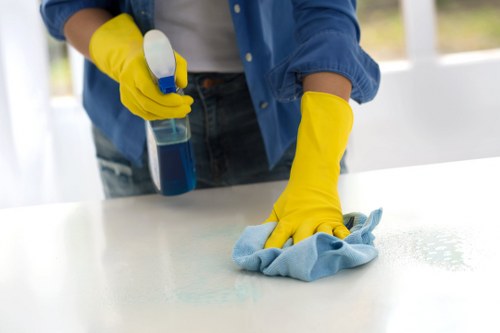
Sofa cleaning in a safe and efficient way starts with the right supplies. You do not need a complicated setup, but having suitable tools on hand makes the process much easier. The key is to use products that are gentle enough for upholstery while still strong enough to remove dirt and stains.
A standard home cleaning kit may include a vacuum cleaner with an upholstery attachment, soft microfiber cloths, a soft-bristled brush, mild dish soap, white vinegar, baking soda, and a spray bottle. For some materials, especially delicate ones, you may also need a specialized upholstery cleaner designed for the fabric type.
Recommended Cleaning Supplies
Useful items for sofa cleaning include:
- Vacuum cleaner with crevice tool
- Soft brush or upholstery brush
- Microfiber towels
- Distilled water
- Mild detergent or upholstery cleaner
- White vinegar for odor control
- Baking soda for deodorizing
- Leather conditioner for leather sofas
It is wise to avoid harsh bleach, abrasive scrubbers, and excessive water. These can weaken fibers or cause fading. For a more natural approach, many homeowners prefer a mixture of water and vinegar or a mild soap solution. Whatever method you choose, make sure it aligns with the upholstery care instructions.
Tip for Better Results
Always blot, never rub, when dealing with spills. Rubbing pushes the stain deeper into the fabric and may spread it further. Gentle blotting lifts the spill without damaging the fibers.
Step-by-Step Sofa Cleaning Process at Home
When done correctly, sofa cleaning in your home can be both manageable and highly effective. A structured process helps you clean thoroughly without missing hidden dirt or causing unnecessary wear. The best method depends on the sofa’s material, but the following steps work well for many upholstered couches.
Start by removing all cushions, throws, and loose items from the sofa. Use the vacuum cleaner to remove dust, crumbs, pet hair, and debris from the surface, seams, and crevices. This step is essential because loose dirt can turn into mud once moisture is applied. Vacuuming first also helps you see any spots or stains that need special attention.
Detailed Cleaning Steps
Use the following routine for a basic upholstery refresh:
- Vacuum every surface carefully, including under cushions and along seams.
- Check the care label and test any cleaner on a hidden spot.
- Apply a small amount of cleaning solution to a cloth rather than directly onto the sofa.
- Blot stains gently and work from the outside toward the center.
- Wipe with a clean damp cloth if needed to remove residue.
- Allow the sofa to dry naturally with good ventilation.
Drying is just as important as cleaning. A sofa that stays damp too long may develop odors or mildew. Open windows, use fans, or improve airflow in the room to speed up drying. Avoid using high heat unless the fabric care label specifically allows it.
Cleaning Frequency
For most households, sofa cleaning in the form of light maintenance should be done weekly or every two weeks. Deep cleaning can be scheduled every 3 to 6 months depending on usage, pets, and whether anyone in the home has allergies. High-traffic sofas may need more frequent attention.
How to Handle Common Sofa Stains

One of the most frustrating parts of sofa cleaning in everyday life is dealing with stains. Spills happen quickly, and different substances require different treatment methods. Acting fast usually improves your chances of complete removal, but even older stains can often be reduced with the right approach.
For food and drink spills, begin by blotting up as much liquid as possible with a clean cloth. Then apply a small amount of mild soap and water, or an appropriate upholstery cleaner, and continue blotting gently. Coffee, tea, juice, and wine stains often respond best when treated promptly. Grease stains may require baking soda or a specialized cleaner to lift the oil before applying moisture.
Common Stain Solutions
Here are practical stain-treatment ideas for sofa cleaning in different situations:
- Food stains: Blot, clean with mild soap solution, and rinse lightly
- Pet accidents: Absorb moisture quickly and use an enzyme cleaner if suitable
- Ink marks: Dab carefully with rubbing alcohol on a cloth, testing first
- Grease spots: Sprinkle baking soda or cornstarch to absorb oil
- Odors: Use baking soda, then vacuum after letting it sit
Some stains require patience. A stubborn mark may need several gentle cleaning attempts rather than one aggressive scrub. If a stain does not respond to home treatment, professional sofa cleaning may be the safest solution. Professionals often have specialized equipment and solutions that can treat difficult stains without harming upholstery.
Important Note
Never mix cleaning chemicals unless the product instructions clearly state it is safe to do so. Mixing ingredients can create fumes or weaken cleaning performance. Keep your approach simple, controlled, and material-safe.
Professional Sofa Cleaning vs. DIY Cleaning
Although many homeowners handle sofa cleaning in their own homes, there are times when expert help is the smarter choice. Professional cleaning services use advanced equipment, such as hot water extraction, dry-cleaning systems, and steam tools that reach deeper into the upholstery than most household products can. This can be especially useful for heavily soiled sofas, delicate materials, or persistent odors.
DIY sofa care is ideal for routine upkeep, light stains, and quick refreshes. It is cost-effective and convenient, and it helps you keep the sofa presentable between deeper cleanings. However, if your couch has years of buildup, visible discoloration, or damage from pets or spills, professional sofa cleaning may deliver noticeably better results.
When to Consider a Professional Service
Professional sofa cleaning may be the right option if:
- The sofa has deep-set stains or odors
- The fabric label indicates dry-cleaning only
- The upholstery is delicate or high-value
- There has been water damage, mold, or mildew
- Allergy concerns require a deeper sanitizing process
Choosing between DIY and expert service often comes down to time, fabric type, and desired results. In many homes, the best strategy is a combination of both: regular household maintenance plus periodic professional sofa cleaning in a scheduled rotation.
How Sofa Cleaning Improves Indoor Air Quality
Many people do not realize that sofa cleaning in the living room can have a real impact on air quality. Upholstered furniture acts like a filter, trapping dust, pollen, pet dander, and microscopic debris. While this may help keep particles out of the air temporarily, the buildup eventually gets released again when people sit, move cushions, or vacuum improperly.
By cleaning your sofa regularly, you reduce the amount of airborne contaminants in the home. This is particularly helpful in homes with children, older adults, or anyone who suffers from asthma or seasonal allergies. A cleaner sofa also means fewer odors, which contributes to a fresher overall environment.
Health-Focused Cleaning Habits
To improve indoor air quality through sofa cleaning in your home, focus on:
- Vacuuming upholstery regularly
- Removing pet hair promptly
- Addressing spills before they set
- Using low-odor, non-toxic cleaning solutions
- Keeping the room well ventilated during and after cleaning
These simple habits help your home feel lighter, cleaner, and more comfortable. They also make the sofa a more pleasant place to relax, read, or spend time with family.
Maintenance Tips to Keep Your Sofa Cleaner for Longer
Consistent maintenance can reduce how often you need intensive sofa cleaning in the future. Small habits go a long way. For instance, vacuuming weekly prevents dust and crumbs from embedding into the fabric. Rotating cushions helps distribute wear evenly, while using throws or covers can protect high-use areas from spills and friction.
It is also smart to establish a few household rules. Eating carefully on the sofa, wiping pet paws before they jump onto furniture, and treating spills immediately can significantly reduce staining. If your sofa is placed near a window, consider using curtains or blinds to limit sun exposure, which may fade the upholstery over time.
Easy Preventive Practices
Helpful maintenance habits include:
- Vacuum once a week or as needed
- Rotate and fluff cushions regularly
- Use washable throws in busy areas
- Keep a stain-removal kit nearby
- Schedule deeper sofa cleaning every few months
When these habits become part of your routine, sofa cleaning in your home becomes much less stressful. The sofa stays attractive longer, and you spend less time dealing with major buildup or stubborn stains.
Extra Protection for Families and Pet Owners
If you have pets or children, choose fabrics that are easier to maintain. Performance fabrics, microfiber, and treated upholstery often handle daily wear better than more delicate materials. Still, even durable fabrics benefit from regular sofa cleaning, because resilience does not mean dirt-free. A proactive plan protects your furniture investment and keeps the living space more sanitary.
Choosing the Right Sofa Cleaning Method for Your Needs
The best sofa cleaning in any home depends on your lifestyle, sofa type, and cleaning goals. If you want to refresh the fabric and remove surface dust, vacuuming and spot cleaning may be enough. If you need odor removal, stain treatment, or allergen reduction, a deeper method may be necessary. Leather sofas may require conditioning and gentle wiping, while fabric sofas may benefit from shampooing or steam treatment.
Before starting, think about the condition of the sofa and the results you want. A lightly used guest-room couch may only need occasional care, while a family-room sectional with pets and kids may need more frequent attention. Choosing the right method saves time and protects the material.
Simple Decision Checklist
Ask yourself the following questions:
- What material is the sofa made of?
- Does the care label allow water-based cleaning?
- Is the issue a light dust layer, a stain, or a deep odor?
- Do I have the right tools and products?
- Would professional sofa cleaning be safer or more effective?
By answering these questions honestly, you can choose a cleaning plan that is both practical and effective. Sofa cleaning in the right way improves appearance, comfort, and durability all at once.
Final Thoughts on Sofa Cleaning in Modern Homes
Sofa cleaning in today’s homes is about more than appearance. It is about maintaining comfort, protecting your investment, and creating a healthier place to live. With regular vacuuming, proper stain treatment, and material-safe products, you can keep your sofa looking fresh and inviting for years. When deeper cleaning is needed, professional services can provide added convenience and powerful results.
Whether you are managing a busy family home, a pet-friendly apartment, or a stylish living room that sees frequent use, the right cleaning routine makes a noticeable difference. A clean sofa supports a clean home, and a clean home supports everyday well-being. If your furniture needs attention now, contact us today to plan the next step and restore freshness to your space. Book your service now and enjoy the benefits of a cleaner, healthier sofa.