Rug Cleaning in Modern Homes: Methods, Benefits, and Smart Maintenance
Why Rug Cleaning Matters for a Healthier, Better-Looking Space
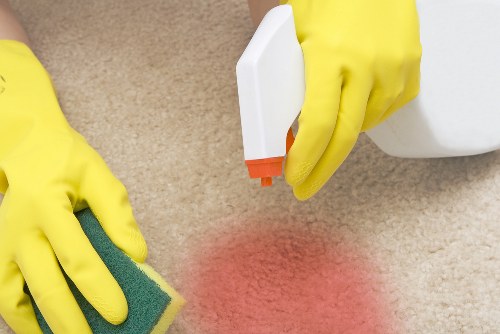
Rug cleaning is one of the most overlooked parts of home care, yet it has a major impact on the way a room looks, feels, and smells. A rug is more than a decorative accent; it is a fabric surface that collects dust, soil, allergens, pet hair, and everyday debris. Over time, this buildup can make even a beautifully designed room feel dull and less inviting. Regular rug cleaning helps restore color, texture, and freshness while also supporting a cleaner indoor environment.
Many people think vacuuming is enough, but routine vacuuming only addresses surface dirt. Deep rug cleaning reaches embedded particles that settle into the fibers and backing. This is especially important in busy households where kids, pets, and guests increase foot traffic. Proper rug cleaning also helps preserve the material, which can extend the life of both everyday area rugs and more delicate statement pieces.
Another reason rug cleaning matters is that rugs can trap odors from cooking, pets, moisture, and daily life. These odors become more noticeable when fibers are neglected. A scheduled rug cleaning routine can reduce smells, brighten the appearance of the room, and improve overall comfort. Fresh rugs make a home feel cleaner almost instantly, which is why maintaining them should be a priority rather than an afterthought.
Understanding Different Rug Materials

Before choosing a rug cleaning method, it is important to understand the material. Rugs are made from a wide range of fibers, and each one reacts differently to moisture, heat, agitation, and cleaning solutions. Using the wrong approach can cause fading, shrinking, color bleeding, or texture damage. That is why rug cleaning should always start with fiber identification.
Common rug materials include wool, cotton, silk, jute, synthetic blends, and viscose. Wool rugs are durable and naturally resilient, but they can still be damaged by harsh chemicals or excessive soaking. Cotton rugs are often easier to clean but may shrink if not handled carefully. Silk rugs are delicate and require special attention because water and agitation can permanently alter their finish.
In addition to the fiber itself, the rug’s construction matters. Hand-knotted rugs, hand-tufted rugs, flatweaves, shag rugs, and machine-made area rugs each have unique cleaning needs. A smart rug cleaning process considers pile height, weave density, dye stability, and backing type. When the material is respected, the cleaning results are better and the rug lasts longer.
Signs Your Rug Needs Professional Attention
Some rugs show obvious signs of wear, but others quietly accumulate grime until the damage becomes visible. Recognizing the warning signs early can prevent deeper staining and premature fiber breakdown. If a rug looks darker in high-traffic areas, holds an odor after vacuuming, or feels stiff rather than soft, it may need more than basic upkeep.
One of the clearest signs that rug cleaning is overdue is the presence of spots that return after spot treatment. This often happens when a stain has traveled deeper into the pile or backing. Another indicator is allergy flare-ups. Dust, pollen, pet dander, and other airborne particles can lodge inside rug fibers and affect indoor air quality. In many homes, deeper rug cleaning can make a noticeable difference in comfort.
It is also worth paying attention to changes in texture. When a rug begins to feel rough, sticky, or flattened, embedded soil may be the cause. Regular rug cleaning helps restore the original feel and reduces the mechanical wear created by grit and sand. If the rug has sentimental or financial value, early intervention is even more important.
Effective Rug Cleaning Methods That Deliver Real Results
There is no single rug cleaning method that works for every situation. The best approach depends on the fabric, soil level, and type of stain. For many households, a combination of routine maintenance and periodic deep cleaning provides the best outcome. Understanding the main methods can help you choose the right one for your rug.
Vacuuming is the foundation of rug cleaning. A thorough vacuum removes loose dirt, crumbs, pet hair, and surface dust. It should be done slowly and in multiple directions to lift debris from different angles. For thicker rugs, using a vacuum with adjustable height settings can reduce stress on the fibers. Frequent vacuuming is essential, but it should be paired with deeper methods for the best long-term results.
Another common method is low-moisture or dry rug cleaning. This approach uses specialized compounds or powders designed to absorb dirt without saturating the rug. It can be useful for delicate materials or situations where fast drying is important. In contrast, hot water extraction and washing methods are better suited for sturdy synthetic rugs or certain wool pieces when performed correctly. Matching the method to the rug is the key to safe, effective cleaning.
Spot Cleaning for Fresh Spills
Spot cleaning is a fast response technique used immediately after spills. The goal is to absorb the mess before it settles into the fibers. Blotting is always better than rubbing, because rubbing can spread the stain and damage the pile. Mild cleaning solutions, clean cloths, and patience are usually enough for fresh accidents.
For food, drink, and pet-related stains, timing matters. The sooner you begin rug cleaning, the easier it is to prevent permanent discoloration. A simple method often includes blotting, applying a safe solution, and repeating until the stain lifts. However, testing in an inconspicuous area is important, especially on dyed or delicate rugs.
Deep Rug Cleaning: What Happens During the Process
Deep rug cleaning goes beyond surface maintenance and targets the hidden buildup trapped in the pile and backing. This process is especially valuable for rugs exposed to heavy foot traffic, pets, or seasonal allergens. Depending on the material, deep cleaning may involve immersion washing, controlled moisture treatment, shampooing, or low-moisture extraction.
The process usually begins with inspection. A trained cleaner looks at the rug’s condition, fiber type, dye behavior, and any visible damage. Pre-treatment may be applied to stains or heavily soiled areas. Then the rug is cleaned using the selected method, rinsed or extracted carefully, and dried in a controlled environment. Proper drying is critical because trapped moisture can lead to odors, mildew, and fiber distortion.
After the cleaning phase, grooming and finishing help restore the rug’s appearance. Pile direction may be adjusted, fringe may be cleaned separately, and the rug is checked for residual spots. Professional rug cleaning is as much about technique as it is about products. When each step is handled correctly, the rug looks cleaner, feels softer, and lasts longer.
How Often Should Rug Cleaning Be Done?
The ideal rug cleaning schedule depends on usage, location, and lifestyle. A rug in a quiet bedroom will not need the same care as a hallway runner or living room centerpiece. Still, most rugs benefit from regular attention. Vacuuming once or twice a week is a strong baseline, while deeper rug cleaning may be needed every 6 to 18 months depending on conditions.
Homes with pets, children, or allergy concerns often require more frequent care. Entryway rugs may need quicker turnaround because they capture outdoor soil and moisture. Dining room rugs may also need extra attention due to food and drink spills. Instead of waiting until the rug looks dirty, it is smarter to clean before visible buildup becomes a problem.
Seasonal changes can also influence your schedule. Spring pollen, winter salt, and rainy weather all affect how much debris enters the home. A seasonal rug cleaning routine helps keep rugs in better shape year-round. If you notice a persistent odor, flattening, or visible dullness, that is a good sign the rug should be cleaned sooner.
Suggested Cleaning Frequency by Area
- High-traffic areas: Every 3 to 6 months for deeper rug cleaning
- Medium-traffic rooms: Every 6 to 12 months
- Low-traffic spaces: Every 12 to 18 months
- Homes with pets or allergies: More frequent vacuuming and periodic deep cleaning
Common Mistakes to Avoid During Rug Cleaning
Even a well-intentioned cleaning effort can cause problems if the process is rushed or uses the wrong products. One of the biggest mistakes is oversaturating the rug. Too much water can seep into the backing, weaken adhesives, and increase drying time. This can result in odor issues or even mold growth. Careful moisture control is one of the most important principles in rug cleaning.
Another common mistake is using harsh household cleaners without testing them first. Some products can strip dyes, leave residues, or make fibers brittle. Bleach, strong solvents, and overly alkaline cleaners are especially risky for delicate rugs. A safer approach is to choose solutions designed for the specific material and stain type. Gentle chemistry usually works better than aggressive shortcuts.
Rubbing stains aggressively, skipping the drying process, and storing a damp rug are also mistakes that can lead to damage. If you have a valuable rug, a handwoven piece, or something made from silk or wool, it is worth being cautious. Good rug cleaning protects both appearance and structure, while poor technique can shorten the rug’s lifespan dramatically.
DIY Rug Cleaning vs. Professional Rug Cleaning
Many homeowners handle basic rug care themselves, and that can be perfectly reasonable for routine maintenance. Vacuuming, spot treatment, and light surface cleaning are all useful DIY tasks. For small spills or routine refreshes, DIY rug cleaning can save time and money. The key is knowing where your limits are and when a professional solution makes more sense.
Professional rug cleaning is often the better choice for expensive, antique, oversized, or heavily soiled rugs. Professionals typically have the equipment to control moisture, remove embedded soil, and handle delicate fibers safely. They also have experience identifying different construction methods and stain behaviors. That expertise can be especially important when a rug has sentimental value or needs restoration-level care.
Ultimately, the smartest approach is often a combination of both. Handle routine maintenance at home and bring in expert support when deeper cleaning is needed. This balanced strategy keeps rugs looking great while reducing the risk of accidental damage. For homeowners who want better results and less guesswork, professional rug cleaning is a practical investment.
When DIY Is Usually Enough
- Fresh spills that are addressed immediately
- Light dust and surface debris
- Minor food spots on durable synthetic rugs
- Regular upkeep between deep cleanings
Rug Cleaning Tips for Pet Owners
Pets bring joy, but they also bring fur, dander, tracked-in dirt, and the occasional accident. That makes rug cleaning especially important in pet-friendly homes. A consistent routine can reduce odors, remove hair, and protect fibers from repeated exposure to moisture or bacteria. The faster you address pet messes, the better your rug will hold up over time.
Start with frequent vacuuming using a machine that handles hair well. Deodorizing can help, but it should never replace true rug cleaning. If an accident occurs, blot the area immediately and use a pet-safe cleaning solution designed for rugs. Avoid steam or heat on unknown stains, because heat can set proteins and make the problem more difficult to remove.
For homes with multiple pets, periodic deep cleaning becomes especially valuable. Rugs can hold onto lingering smells even when the room seems clean. Good rug cleaning removes the source of the odor, not just the symptom. Keeping washable mats near doors, trimming pet nails, and grooming pets regularly can also reduce wear on your rugs.
Seasonal Rug Maintenance for Year-Round Freshness
Seasonal care helps rugs stay cleaner and last longer. In spring, pollen and dust become more noticeable, so vacuuming should increase. Summer often brings outdoor soil, sand, and humidity. Autumn may introduce leaf debris, while winter can add salt, slush, and dry indoor air. Each season creates different challenges for rug cleaning and maintenance.
A smart seasonal routine includes rotating the rug if possible, checking for worn spots, and addressing stains before they become permanent. In regions with harsh weather, entryway rugs may need special attention because they trap the majority of outside debris. The more consistently you maintain them, the less dramatic each deep clean needs to be.
It is also helpful to inspect rug pads and flooring underneath. Dirt and moisture can transfer downward and affect the area below the rug. Clean rugs perform better when the entire setup is cared for. Seasonal habits turn rug cleaning into a manageable routine instead of a stressful chore.
How Rug Cleaning Supports Interior Design
Clean rugs do more than improve hygiene; they also elevate the style of a room. A faded or dirty rug can make a space look tired, even if the furniture and décor are beautiful. By contrast, a freshly cleaned rug can restore contrast, texture, and color balance. This simple change can make the whole room feel more polished.
Rug cleaning is especially important in design-focused spaces where the rug is a focal point. Patterns look sharper, colors appear richer, and the pile regains its softness. This matters in living rooms, dining rooms, offices, and bedrooms where visual harmony is important. If your rug was chosen to define a space, keeping it clean helps it continue doing that job.
Clean rugs support better design by making the entire room feel intentional. They also reflect care and attention, which can influence how guests perceive the space. Whether the rug is modern, traditional, or minimal, proper rug cleaning helps preserve the style you originally chose.
Practical Benefits at a Glance
- Improves color vibrancy and visual clarity
- Enhances the softness and comfort underfoot
- Reduces odors and trapped allergens
- Helps maintain the value of quality rugs
Choosing the Right Rug Cleaning Approach for Long-Term Care
Not every rug needs the same treatment, which is why long-term care should be tailored. A quality rug cleaning plan takes into account traffic patterns, material sensitivity, climate, and household habits. By thinking ahead, you can avoid damage and preserve your rug’s best qualities for years.
Start by documenting the rug’s fiber type and any special notes about dye, age, or construction. Keep a maintenance schedule that includes vacuuming, spot treatment, rotation, and deep cleaning. If you notice fading, shedding, or repeated staining in the same place, those are signs that your routine may need adjustment. Consistency is the secret to effective rug cleaning.
It is also wise to act quickly when problems appear. A stain that is treated early is much easier to remove than one left untreated for weeks. Odors, moisture, and soil all become more difficult to manage as they settle deeper into the fibers. The best rug cleaning plan is proactive, not reactive.
As a final thought, rugs are built to be lived on, but they should still be cared for with intention. Whether your goal is to preserve a treasured handwoven piece or simply keep your home looking fresh, regular rug cleaning makes a noticeable difference. If your rug needs expert attention, book your service now and give your space the clean, welcoming finish it deserves.